
01 / 50
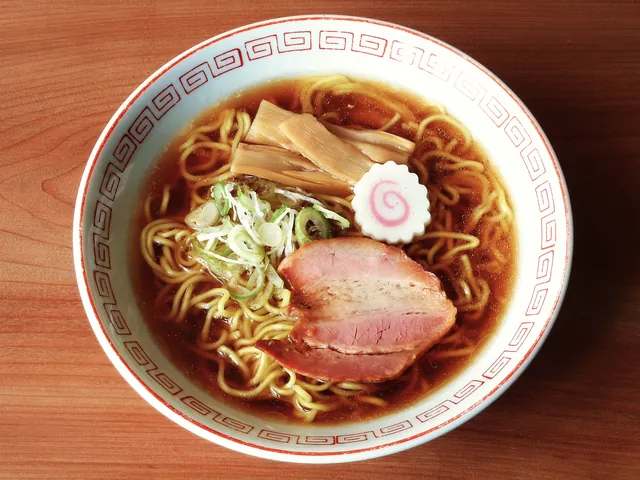
Shoyu
醤油Soy sauce supplies the seasoning; it does not specify the stock. A delicate chicken bowl and a rich pork bowl can both be shoyu.
Explore this theme →Ramen adventure 03 / 06
知るほど、一杯が面白くなる。
50 illustrated field notes to help you read a bowl: the styles, the places, the ingredients and the small ideas that make ramen fascinating.
Each of the 50 themes has its own image: 38 photographs of the named subject and 12 gentle, original AI illustrations where a suitable reusable photograph could not be verified. No image is shared between themes. Image sources & illustration notes →
Try a shorter word or clear the filters.
Styles · 10 themes
Soy sauce supplies the seasoning; it does not specify the stock. A delicate chicken bowl and a rich pork bowl can both be shoyu.
Explore this theme →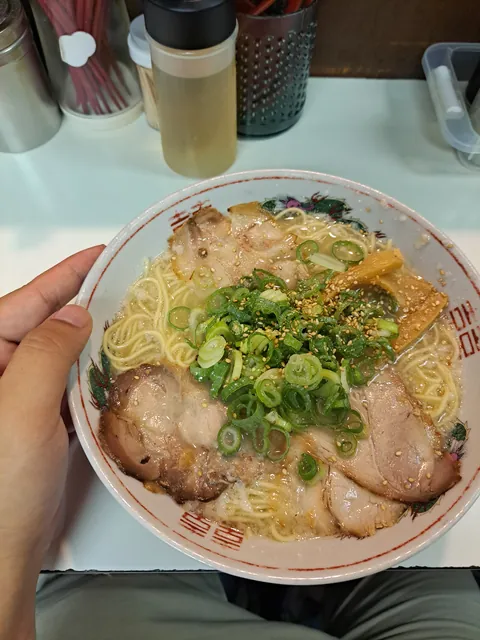
Salt-led seasoning can let the stock and aromatic oil speak clearly. Shio bowls range from transparent to creamy.
Explore this theme →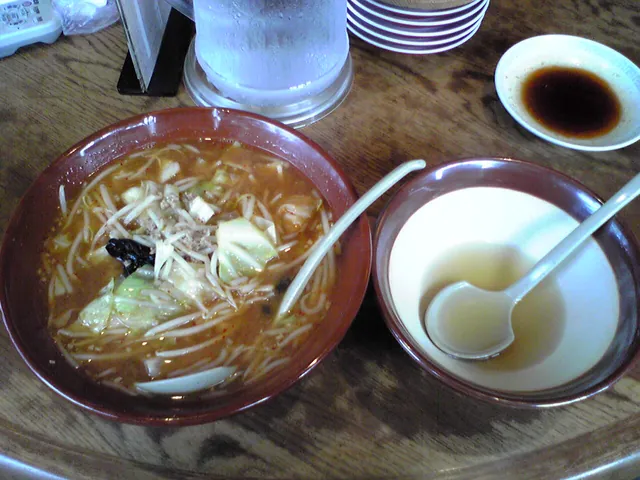
Fermented soybean paste brings its own aroma and a rounded savory character. Different miso blends can produce very different bowls.
Explore this theme →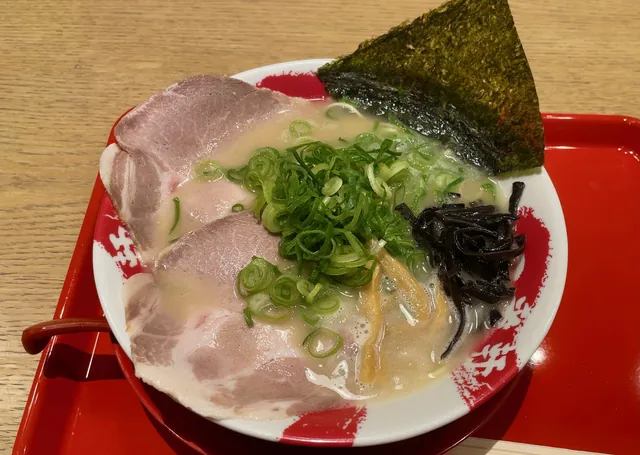
Tonkotsu means pork bones. Its familiar creamy appearance comes from the way the stock is cooked, rather than being a definition of milk-based soup.
Explore this theme →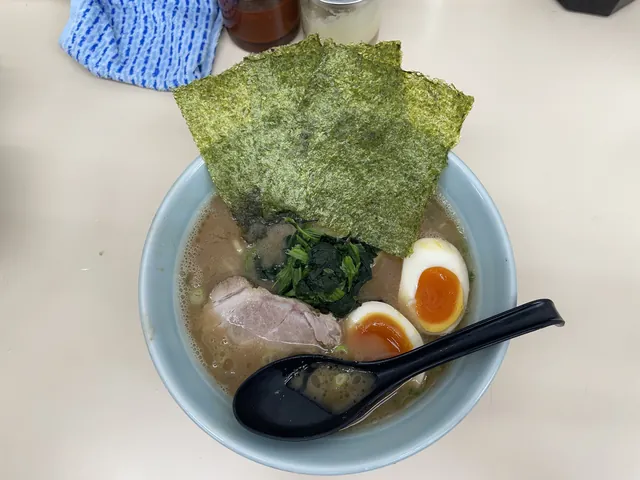
This Yokohama-associated family combines a rich soy-seasoned broth with substantial noodles. Nori and spinach often frame the bowl.
Explore this theme →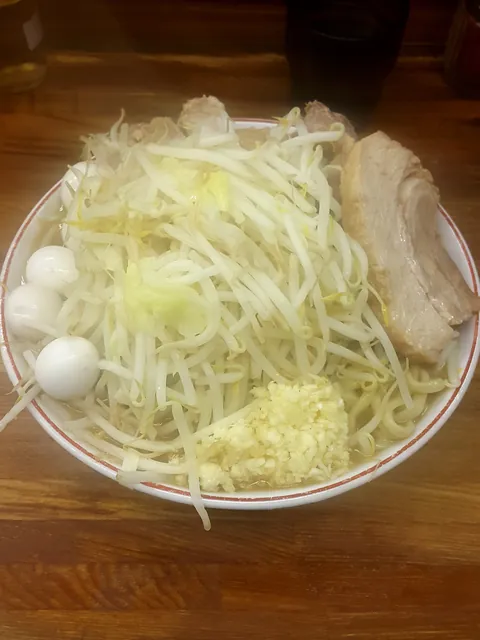
Thick noodles, generous vegetables and pork make portion planning part of this experience. Inspired shops and the original Jiro branches are not interchangeable.
Explore this theme →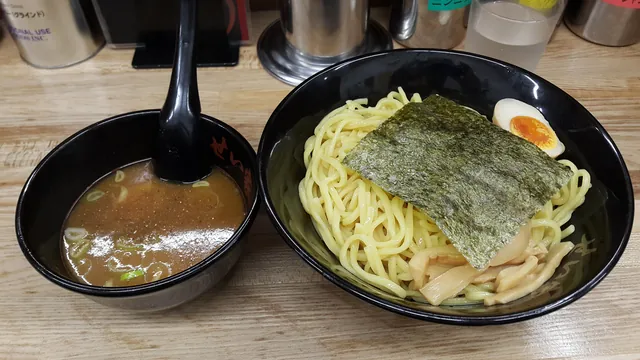
Noodles and concentrated dipping soup arrive separately. This puts noodle texture and the balance of each dip in your hands.
Explore this theme →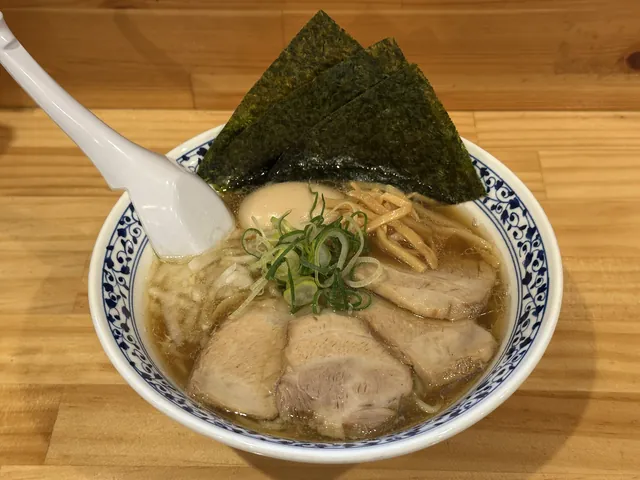
Dried small fish can give broth a savory marine aroma. Niboshi bowls run from clear and restrained to dense and assertive.
Explore this theme →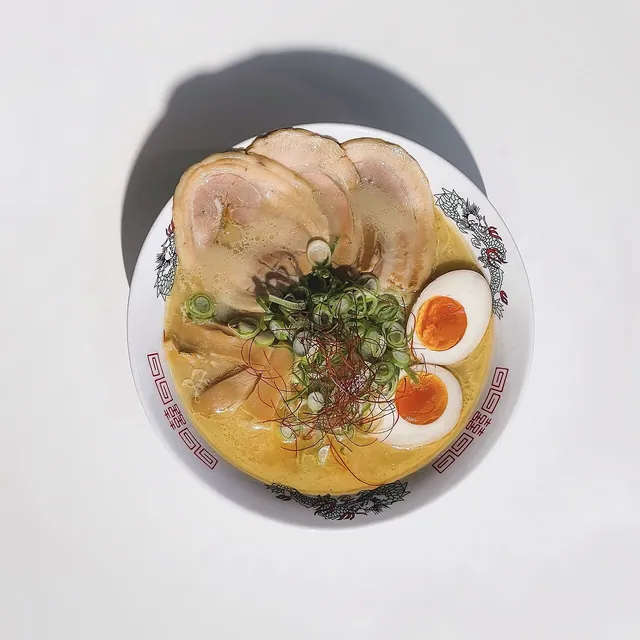
Chicken-based cloudy soup can have a creamy mouthfeel without being pork-bone tonkotsu. The name describes a stock and cooking style.
Explore this theme →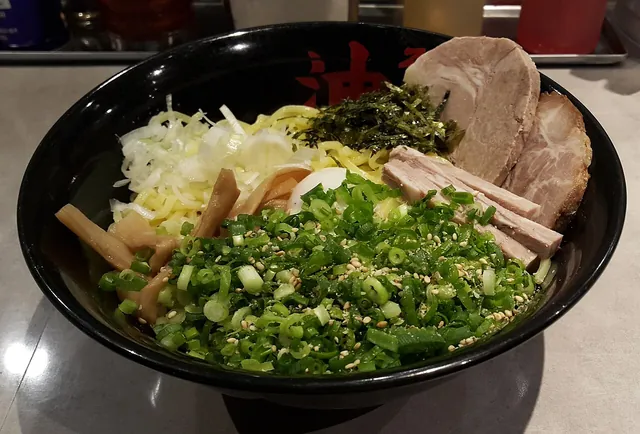
This is a dressed noodle dish with little or no serving broth. Mixing distributes the seasoning and oil through the noodles.
Explore this theme →Regions · 10 themes
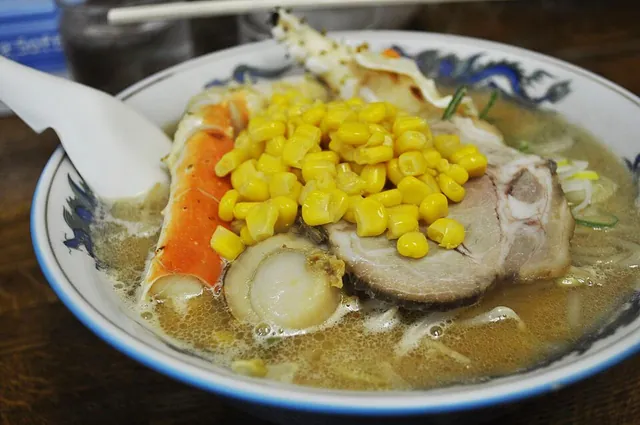
Hokkaido’s capital is closely associated with miso ramen. Shops also serve other seasonings, so the city name is an invitation to explore.
Explore this theme →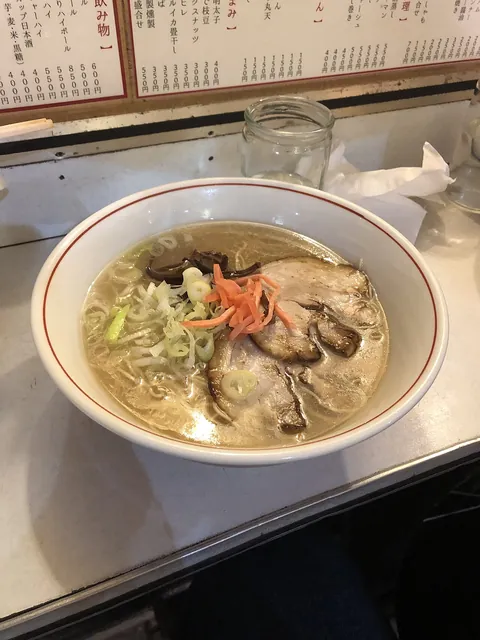
This Fukuoka-associated tradition is known for thin noodles and pork-bone soup. Noodle refills let you enjoy a fresh serving in remaining broth.
Explore this theme →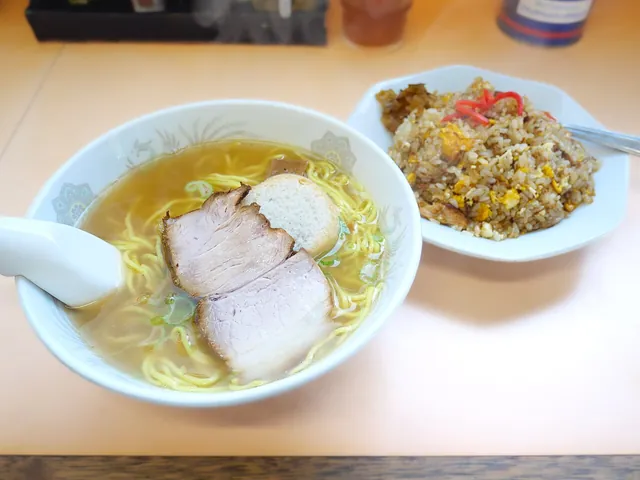
Hakodate is particularly associated with clear shio ramen. Its restrained appearance invites attention to small changes in aroma and texture.
Explore this theme →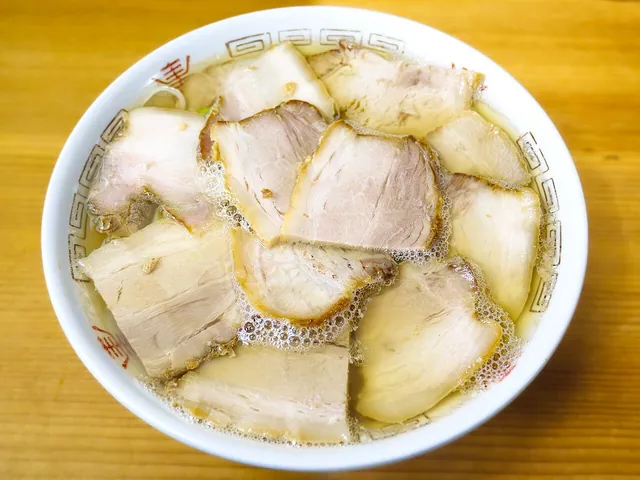
Kitakata in Fukushima is known for substantial, wavy noodles and a local ramen culture that can begin at breakfast.
Explore this theme →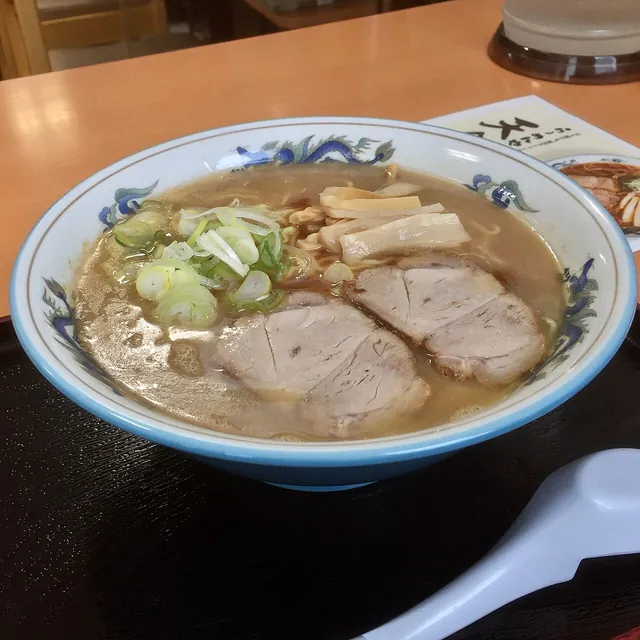
Another Hokkaido ramen city, Asahikawa is often linked with shoyu bowls. A useful regional comparison is Sapporo miso and Hakodate shio.
Explore this theme →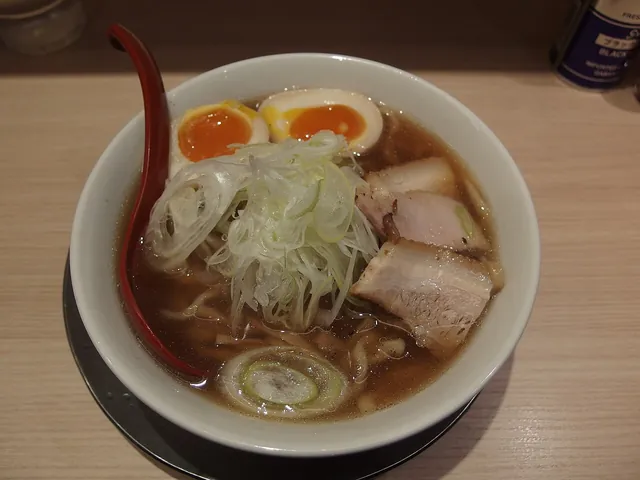
Tokyo contains classic soy-seasoned bowls alongside contemporary ramen of many kinds. It is more useful to name the shop’s bowl than to assume one citywide recipe.
Explore this theme →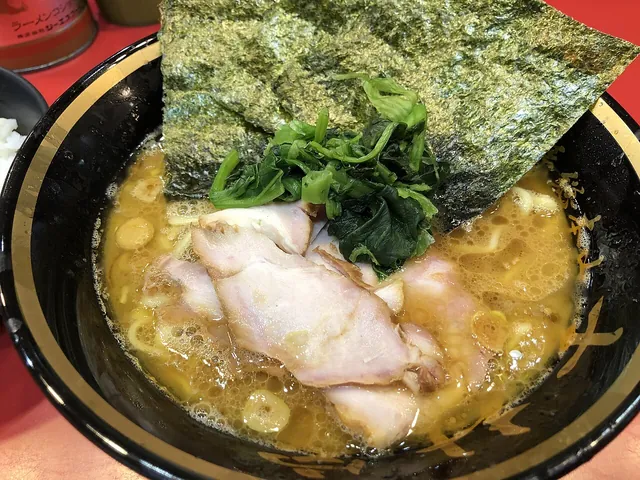
Yokohama is the city most closely connected with iekei. Rich broth, soy seasoning, thick noodles and nori form a recognizable family resemblance.
Explore this theme →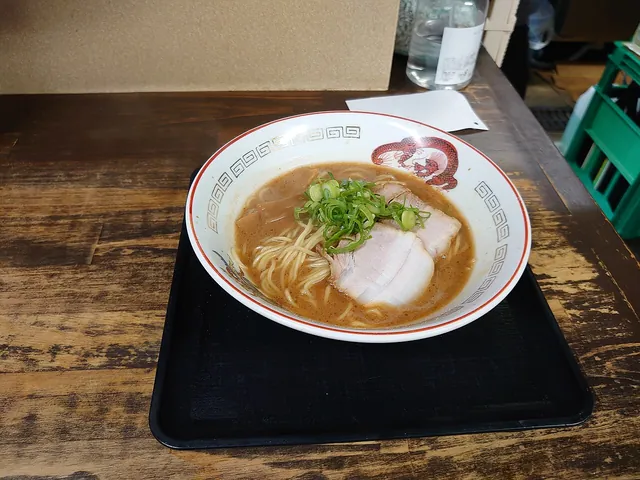
Wakayama has its own chuka-soba traditions, often discussed in relation to pork stock and soy seasoning. Local interpretation matters more than a rigid checklist.
Explore this theme →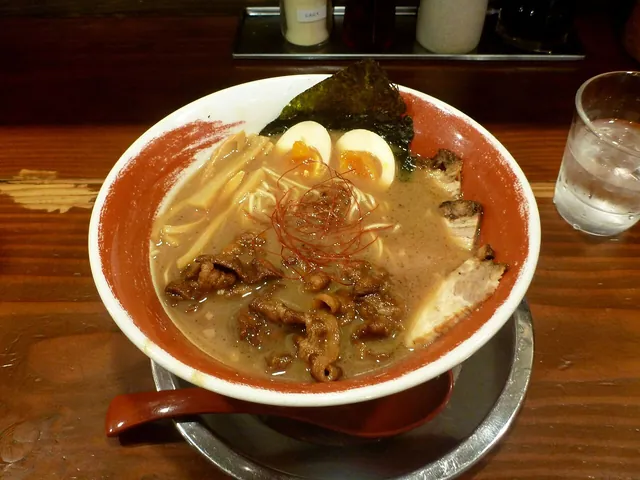
Tokushima offers distinctive regional ramen traditions. Some familiar presentations pair strongly seasoned broth with pork and an egg.
Explore this theme →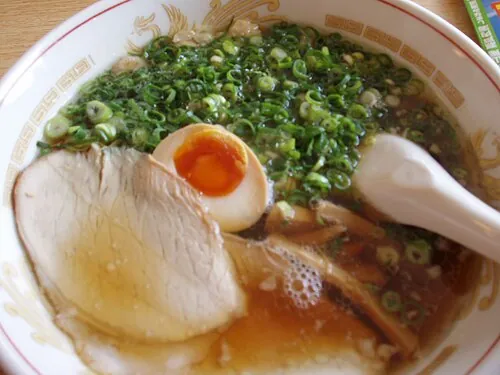
This Setouchi city has a recognized local ramen identity, often associated with soy-seasoned soup and visible fat on the surface.
Explore this theme →Bowl anatomy · 10 themes
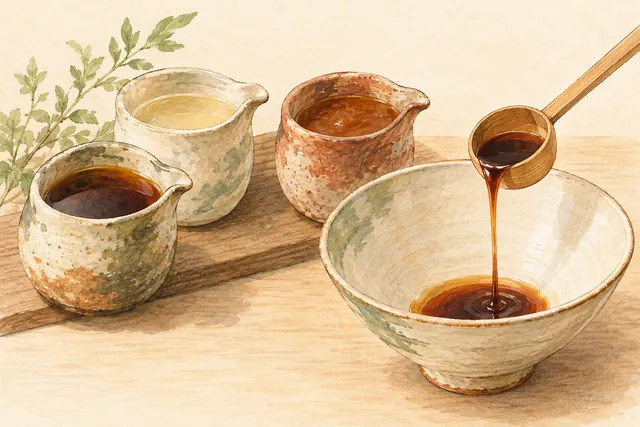
Tare is concentrated seasoning that helps set the final bowl’s character. Two soups made from similar stock can taste quite different after seasoning.
Explore this theme →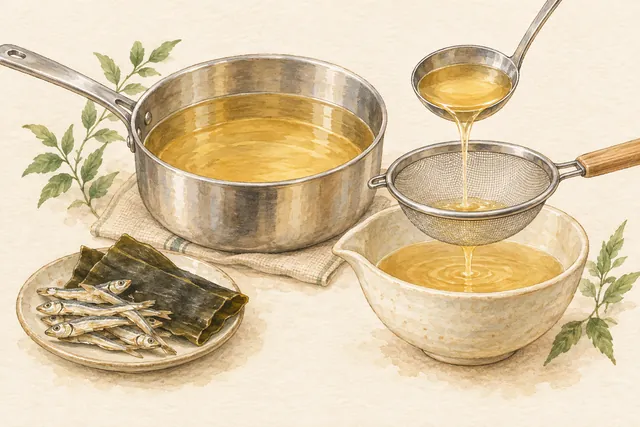
Stock gives the soup its underlying character. Ramen makers may combine animal, seafood and vegetable ingredients in different stages.
Explore this theme →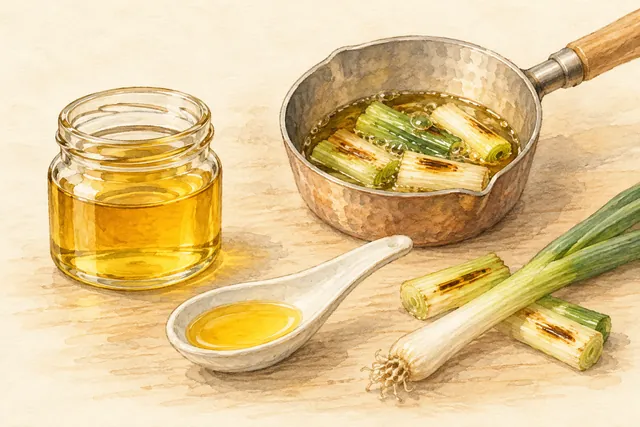
A small layer of flavored fat can have a large effect on the aroma of a bowl. It is one reason the surface deserves attention.
Explore this theme →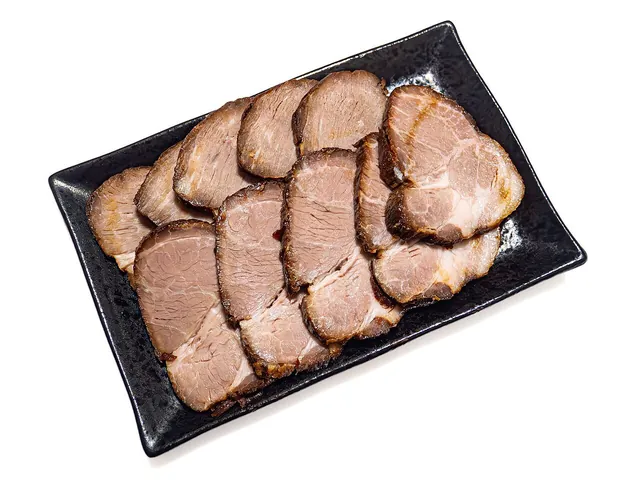
Sliced or chunked meat supplies a contrasting texture and its own seasoning. Pork is common, while some menus specify chicken or other meats.
Explore this theme →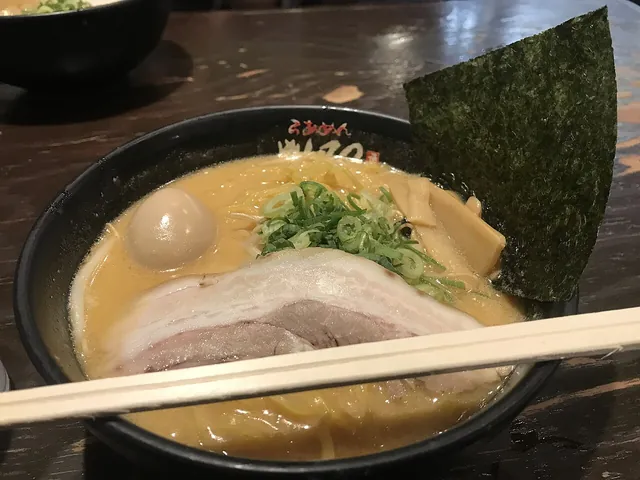
A seasoned egg can bring a creamy or firmer center and a sweet-savory accent. Doneness and marinade are part of the shop’s interpretation.
Explore this theme →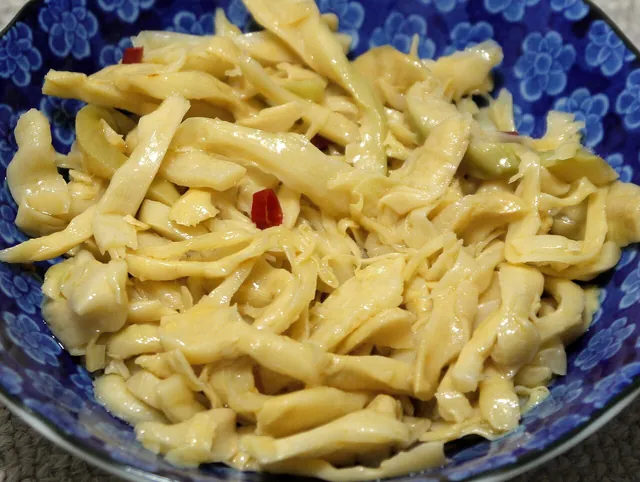
Prepared bamboo shoots offer a fibrous, crunchy contrast to the noodles. Thickness and seasoning change the experience.
Explore this theme →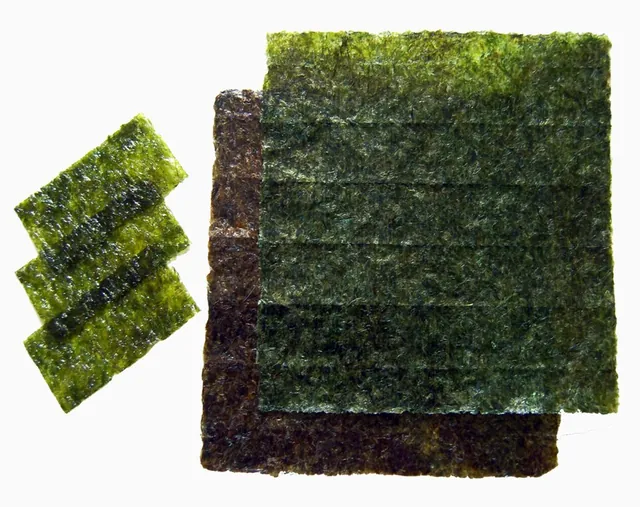
Dried seaweed can shift quickly from crisp to soft as it meets soup. It adds an aroma as well as a visual frame to the bowl.
Explore this theme →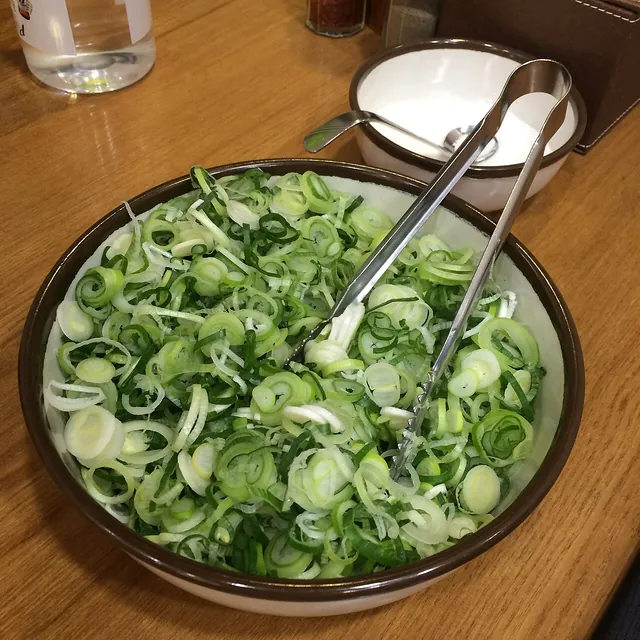
Sliced green onions can give the bowl freshness, sweetness or a sharp edge depending on the cut and preparation.
Explore this theme →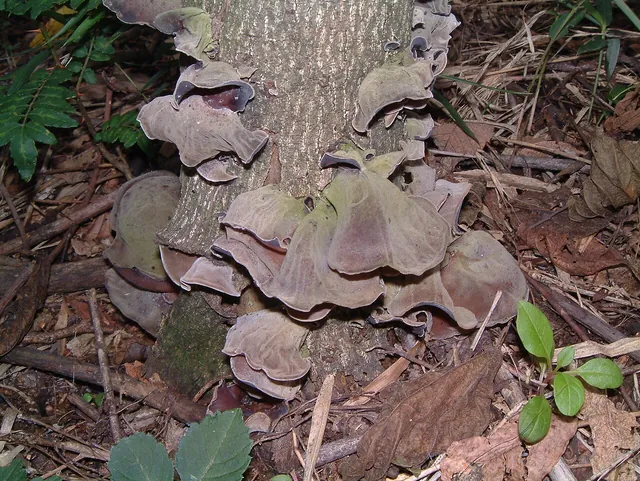
Wood-ear mushrooms contribute a distinctive springy crunch. Thin strips are familiar in many pork-bone ramen presentations.
Explore this theme →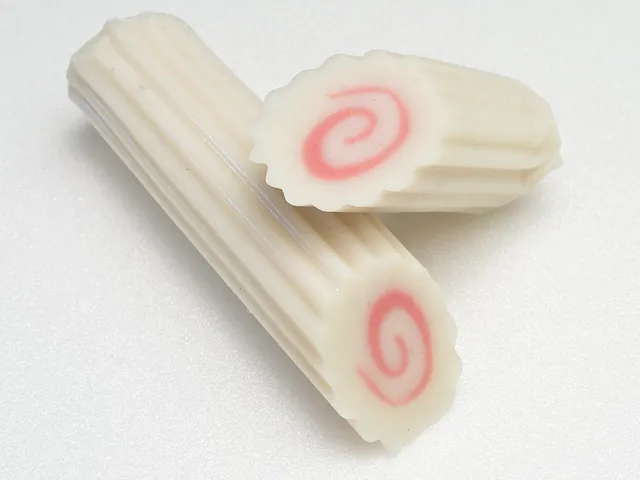
The spiral-patterned fish cake is an instantly recognizable ramen symbol. It connects a bowl’s visual language with a mild, springy topping.
Explore this theme →Science · 10 themes
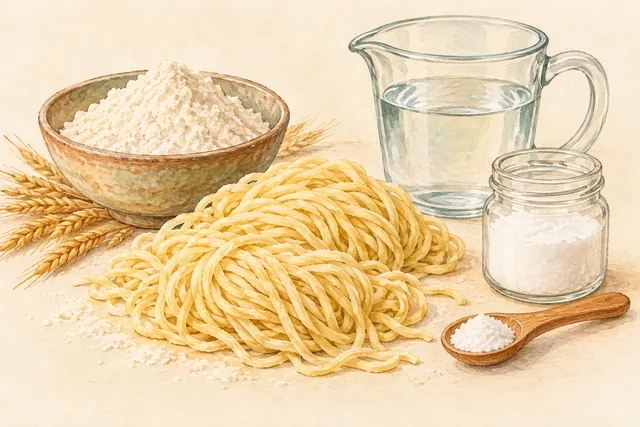
Alkaline salts are important to the distinctive character of many ramen noodles. They influence color, texture and aroma.
Explore this theme →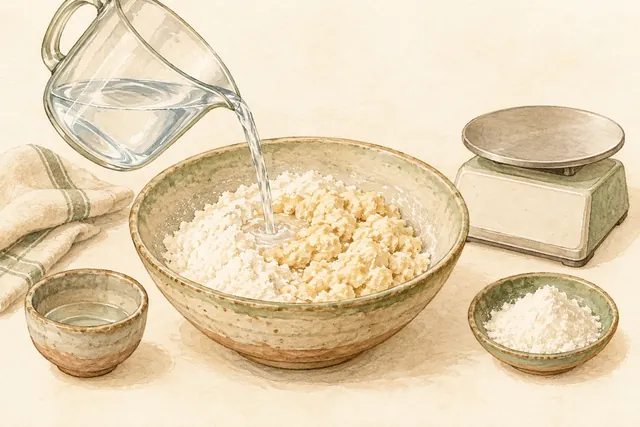
The amount of water in noodle dough is one variable behind its texture. Hydration works together with flour, thickness and cooking.
Explore this theme →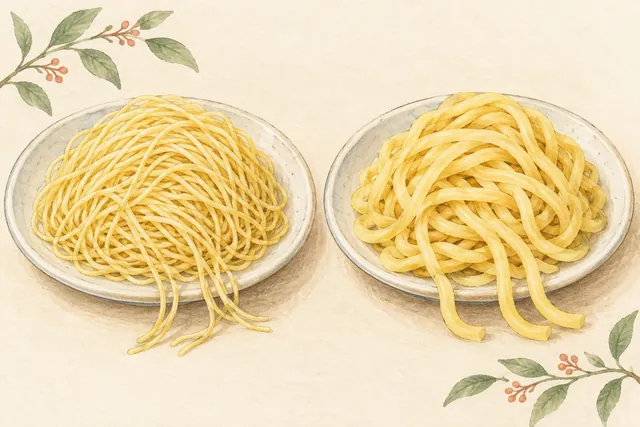
Thin and thick noodles create different eating rhythms. Thickness is a separate choice from how firmly a noodle is cooked.
Explore this theme →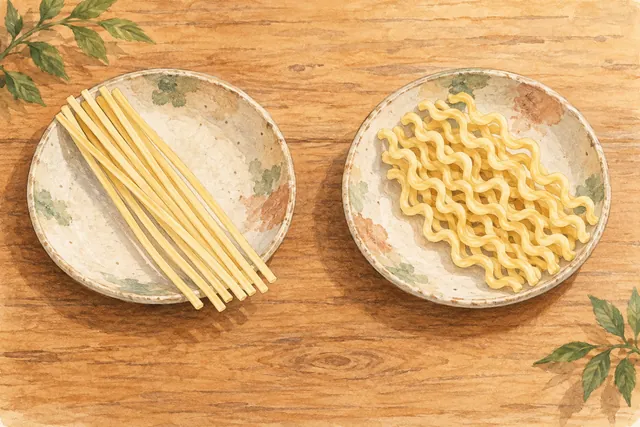
The shape of a noodle changes how it feels in the mouth. Straight strands and irregular waves can create very different bites.
Explore this theme →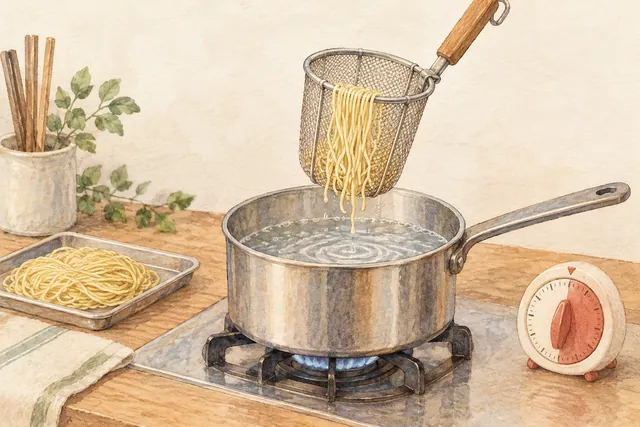
Katasa describes noodle firmness; ryō describes quantity. Recognizing the difference makes a short counter question much easier to answer.
Explore this theme →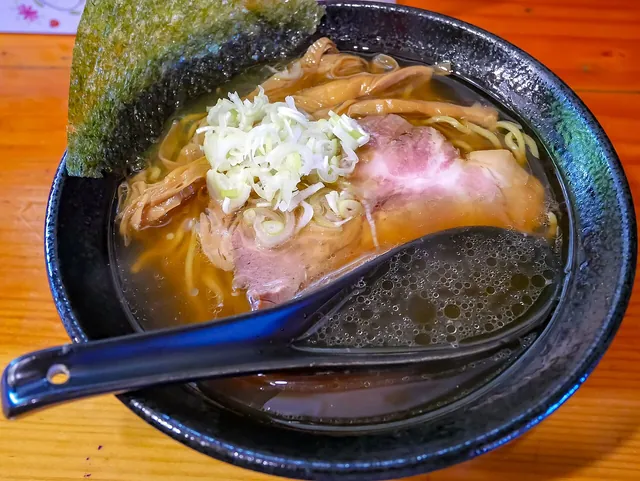
Chintan names a clear-soup approach. Clarity is a visual property, not a complete description of taste intensity or ingredients.
Explore this theme →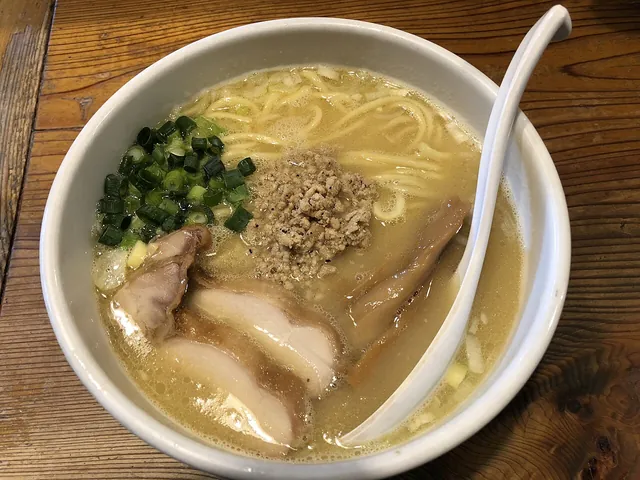
Paitan names a cloudy soup approach. Cooking can disperse fat and other material through the liquid to create a different mouthfeel.
Explore this theme →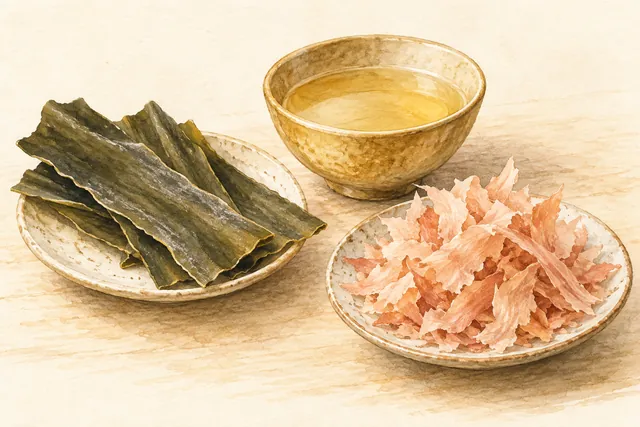
Glutamate and nucleotides such as inosinate can reinforce savory perception when combined. This helps explain the appeal of some mixed stocks.
Explore this theme →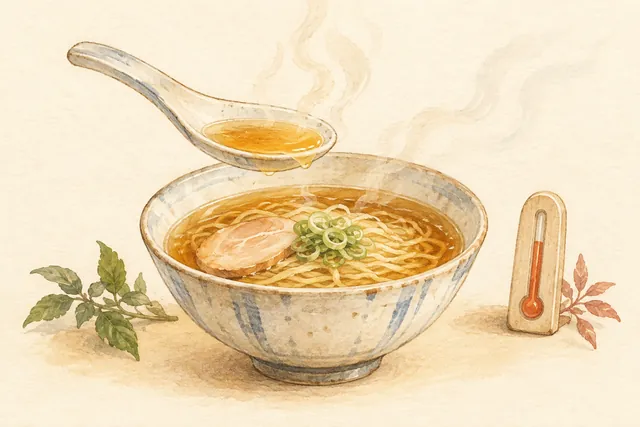
The first hot sip and the final cooler sip do not have to feel identical. Taking your time to notice the change is a small tasting experiment.
Explore this theme →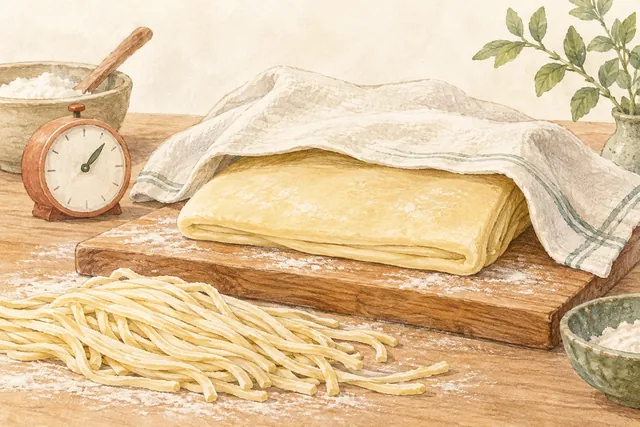
Noodle makers can use resting and maturation as part of their process. Flour, water, shaping and time are all craft decisions.
Explore this theme →Culture · 10 themes
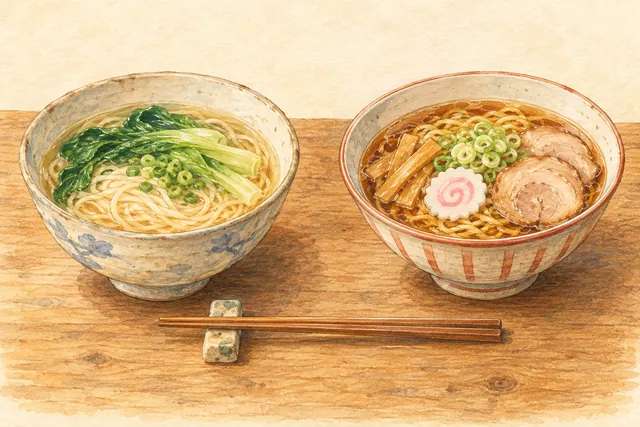
Ramen developed through encounters between Chinese noodle traditions and life in Japan. Its history is a story of adaptation rather than one timeless recipe.
Explore this theme →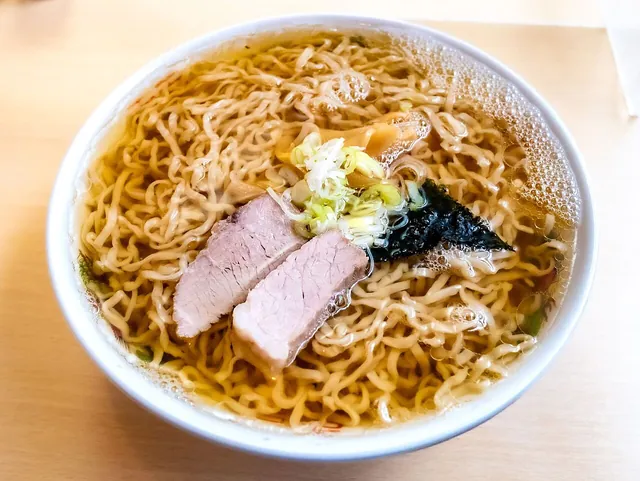
Some ramen menus use chuka soba, literally Chinese-style soba. Here soba need not mean a buckwheat-noodle dish.
Explore this theme →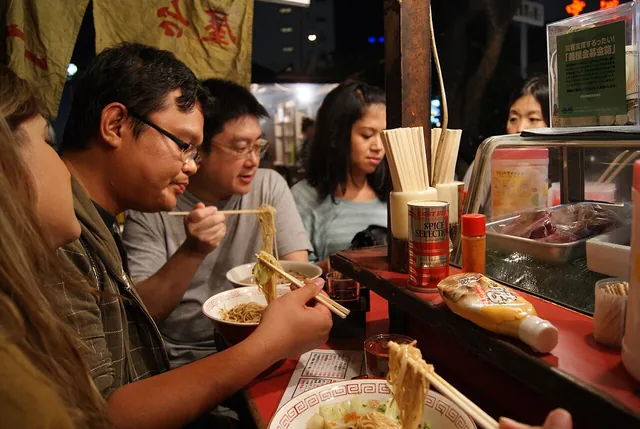
Food-stall culture is one way ramen fits into the social life of a city. A few counter seats can make a meal feel direct and personal.
Explore this theme →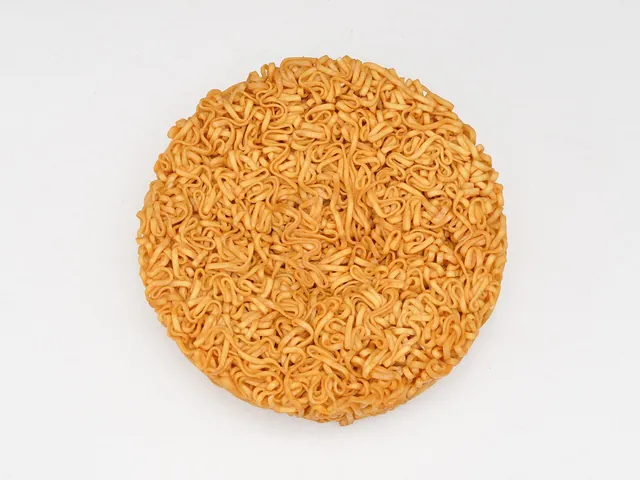
Momofuku Ando introduced Chicken Ramen in 1958. Making noodles convenient at home opened another chapter of ramen’s story.
Explore this theme →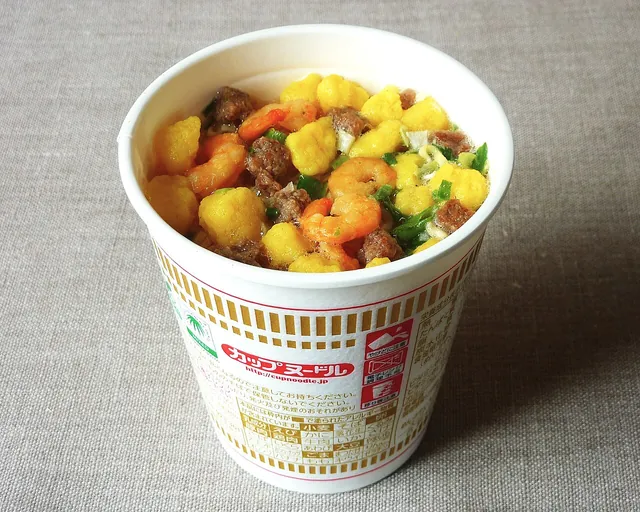
CUPNOODLES appeared in 1971. The container became part of the design of a meal that could travel beyond familiar eating habits.
Explore this theme →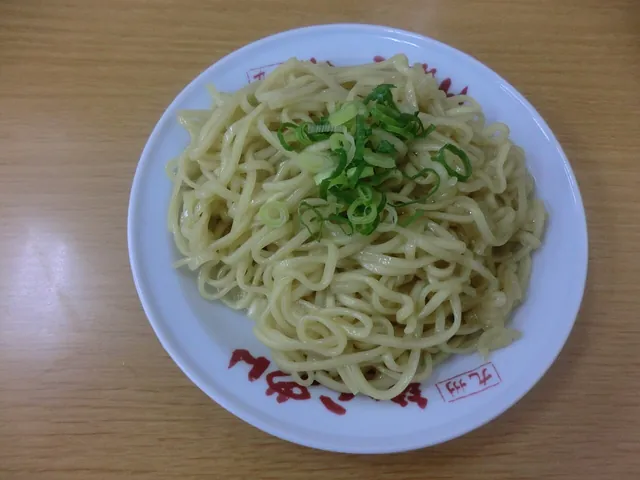
Kaedama is an additional portion of noodles for the broth that remains. It differs from ordering a larger initial serving.
Explore this theme →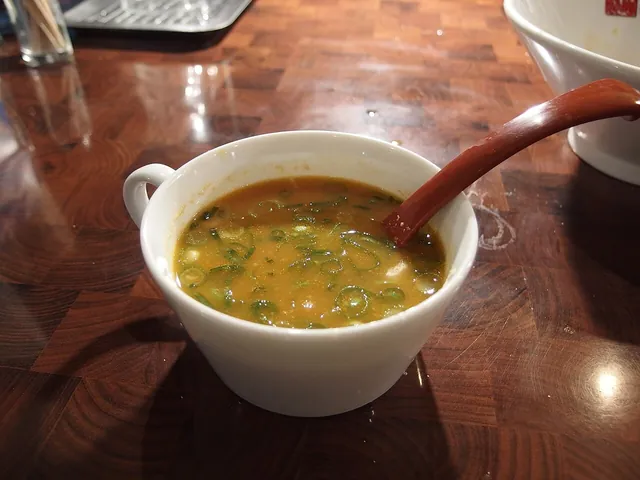
Some tsukemen shops offer broth to dilute the dipping soup at the end. This is a finishing step, not a second bowl of noodles.
Explore this theme →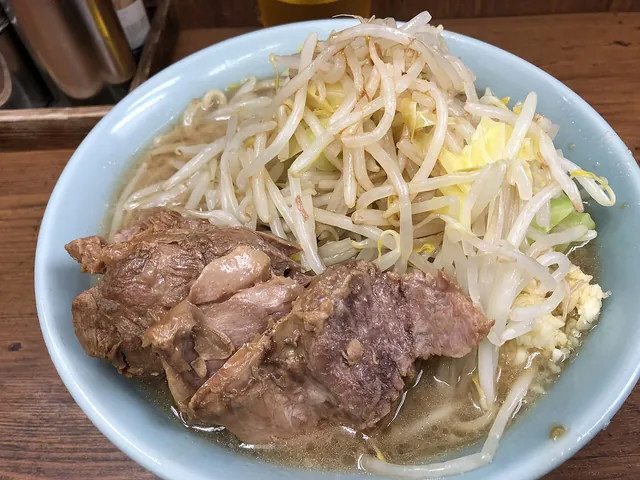
In a Jiro-style topping call, karame usually requests stronger seasoning. That is different from asking for extra chili heat.
Explore this theme →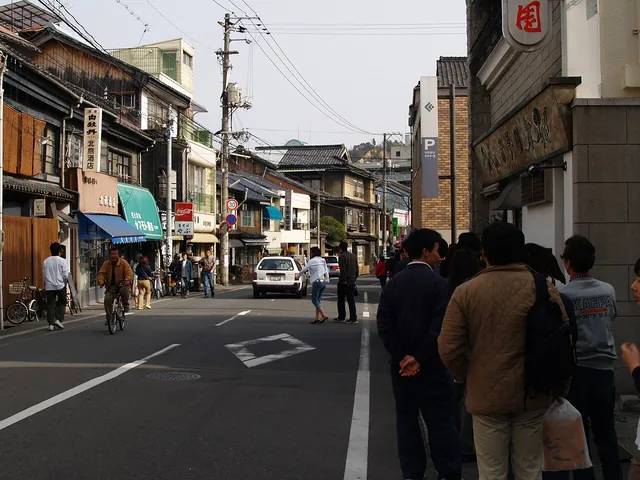
A queue may follow a sign, a numbered-ticket system or staff instructions. The ticket machine is not always the first step.
Explore this theme →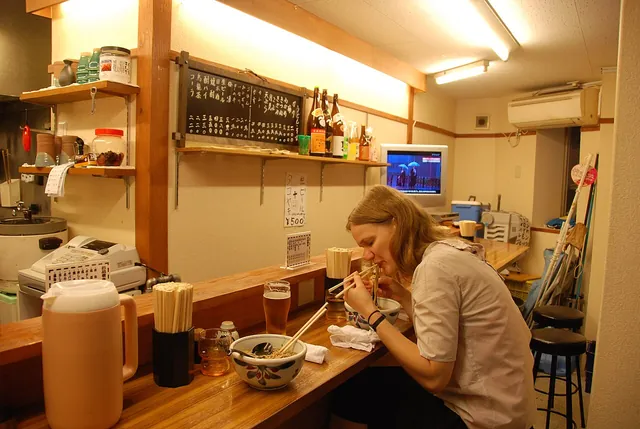
Slurping noodles is accepted in many Japanese dining settings. It is a way people eat, not a compulsory performance for visitors.
Explore this theme →